 moneytar.com
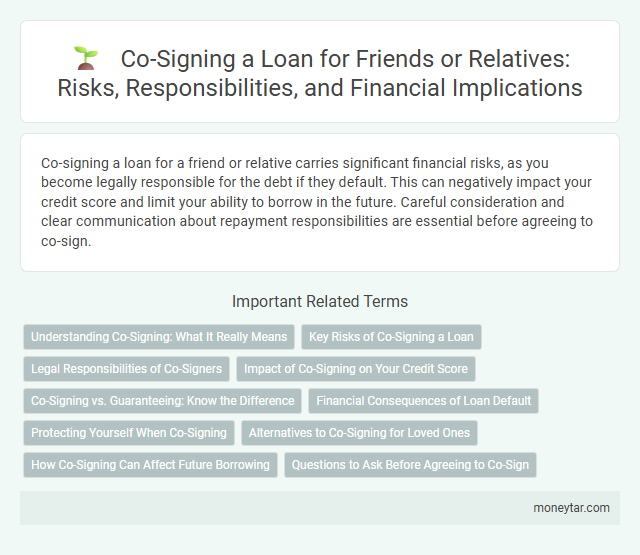 Is it safe to co-sign a loan for a friend or relative? Infographic
Is it safe to co-sign a loan for a friend or relative?
Co-signing a loan for a friend or relative carries significant financial risks, as you become legally responsible for the debt if they default. This can negatively impact your credit score and limit your ability to borrow in the future. Careful consideration and clear communication about repayment responsibilities are essential before agreeing to co-sign.
Understanding Co-Signing: What It Really Means
Understanding co-signing means recognizing that you are legally responsible for the entire loan if the primary borrower defaults. Co-signing a loan affects your credit score and financial standing, as missed payments can appear on your credit report. Evaluating the risks before agreeing to co-sign ensures you protect your financial future.
Key Risks of Co-Signing a Loan
Is it safe to co-sign a loan for a friend or relative? Co-signing a loan transfers full financial responsibility to you if the primary borrower defaults, impacting your credit score and increasing your debt-to-income ratio. This risk makes it essential to consider your financial stability before agreeing to co-sign.
Legal Responsibilities of Co-Signers
Co-signing a loan for a friend or relative means accepting full legal responsibility for the debt if the primary borrower defaults. This obligation can impact your credit score and financial standing significantly.
As a co-signer, you are equally liable for repaying the loan, making lenders legally able to seek payment from you at any time. Failure to meet the payment deadlines can result in collections, lawsuits, and damage to your credit history. Understanding these legal responsibilities before agreeing to co-sign is crucial to avoid unexpected financial risks.
Impact of Co-Signing on Your Credit Score
Co-signing a loan for a friend or relative can significantly affect your credit score. Understanding the impact on your financial health is crucial before agreeing to co-sign.
- Credit Responsibility - Co-signing makes you equally responsible for the loan repayment, which means any missed payments will reflect on your credit report.
- Credit Utilization - The loan amount adds to your total debt, potentially increasing your credit utilization ratio and lowering your credit score.
- Payment History - Timely payments can improve your credit score, but any late payments or defaults will damage your credit reputation.
Carefully assess the risks to your credit before co-signing a loan to protect your financial stability.
Co-Signing vs. Guaranteeing: Know the Difference
Co-signing a loan creates a shared legal responsibility for repayment, exposing you to significant financial risk if the primary borrower defaults. Guaranteeing a loan typically involves a more limited obligation, often activating only after the borrower fails to pay.
- Co-Signing Involves Joint Liability - Both co-signer and borrower are equally responsible for the loan balance, impacting credit scores.
- Guaranteeing Is Conditional - The guarantor pays only if the borrower defaults, often limited by the guarantee terms.
- Financial Risk Differs - Co-signers face immediate risk, while guarantors have contingent exposure based on borrower performance.
Financial Consequences of Loan Default
Co-signing a loan for a friend or relative carries significant financial risks if the borrower defaults. The co-signer is legally responsible for repaying the entire loan balance, which can lead to unexpected debt.
Loan default impacts the co-signer's credit score, reducing their ability to secure future loans or credit cards. Lenders may pursue legal action against the co-signer, resulting in wage garnishment or asset seizure.
Protecting Yourself When Co-Signing
Co-signing a loan for a friend or relative carries significant financial risks because you become legally responsible for the debt if the primary borrower defaults. Protect your credit by thoroughly assessing the borrower's ability to repay and setting clear repayment expectations before signing. Consider drafting a formal agreement to outline each party's responsibilities and avoid potential conflicts.
Alternatives to Co-Signing for Loved Ones
Co-signing a loan for a friend or relative can involve significant financial risk, including damage to your credit score if payments are missed. Exploring alternatives to co-signing can protect your financial stability while still supporting your loved ones.
Options such as helping with a smaller personal loan, assisting in building credit, or offering a secured loan can provide safer ways to aid someone in need. Encouraging your friend or relative to improve their creditworthiness before applying can also increase their chances of loan approval without requiring a co-signer.
How Co-Signing Can Affect Future Borrowing
| Impact of Co-Signing on Future Borrowing |
|---|
| Co-signing a loan for a friend or relative can significantly affect your credit profile. When you co-sign, you take on full legal responsibility for the loan. Any missed payments or defaults by the primary borrower will be reflected on your credit report, increasing your credit risk. This can lower your credit score and reduce your chances of qualifying for new credit or loans. Lenders will view your debt-to-income ratio as higher, which might result in higher interest rates or loan rejections. Co-signing can also limit your borrowing capacity since you are accountable for the entire loan balance. It is essential to carefully consider these risks before agreeing to co-sign, as your financial future depends on the loan's performance. |
Questions to Ask Before Agreeing to Co-Sign
Co-signing a loan for a friend or relative carries significant financial risks that require careful consideration. Asking the right questions before agreeing can protect your credit and finances.
- Can the borrower afford the loan payments? - Confirming the borrower's ability to make timely payments reduces the risk of default impacting you.
- How will this loan affect my credit score? - Understanding potential credit impacts helps you prepare for consequences in case of missed payments.
- What is my legal responsibility as a co-signer? - Knowing your obligations clarifies when and how you might be required to pay the debt if the borrower defaults.
Related Important Terms
Co-Signer Risk Scoring
Co-signer risk scoring evaluates the potential financial liability a co-signer assumes, highlighting how missed payments by the primary borrower can impact the co-signer's credit score and debt-to-income ratio. This risk assessment helps lenders determine the likelihood of default and informs co-signers about the credit and financial consequences they may face if the loan is not repaid on time.
Shadow Debt Liability
Co-signing a loan for a friend or relative creates shadow debt liability, where you are legally responsible for the full repayment if the primary borrower defaults. This hidden financial risk can negatively impact your credit score and limit your borrowing capacity, making it essential to assess the borrower's reliability before agreeing.
Off-Book Credit Exposure
Co-signing a loan for a friend or relative creates off-book credit exposure, as the co-signer is legally responsible for the debt if the primary borrower defaults. This hidden liability can impact credit scores and financial stability without appearing on the borrower's direct credit report until a default occurs.
Friendship Debt Trap
Co-signing a loan for a friend or relative significantly increases the risk of entering a friendship debt trap, where financial strain damages personal relationships and trust. Borrowers often default or delay payments, leaving co-signers legally responsible for the full debt, which can lead to credit score damage and prolonged emotional stress.
Guarantee Ghosting
Co-signing a loan for a friend or relative carries significant financial risks, including Guarantee Ghosting, where the primary borrower fails to repay, leaving the co-signer legally responsible for the debt. This practice can lead to damaged credit scores and strained relationships if payments are missed or default occurs.
Social Credit Collateral
Co-signing a loan for a friend or relative can impact your social credit collateral by making you equally responsible for the debt, which may lower your credit score if payments are missed or delayed. Financial institutions view co-signers as guarantors, so any default can harm your credit history and future borrowing capacity.
Emotional Default Rate
Co-signing a loan for a friend or relative significantly increases your financial risk, as the Emotional Default Rate tends to rise when personal relationships influence repayment behaviors. Failure to meet loan obligations can damage trust and credit scores, leading to long-term emotional and monetary consequences.
Silent Co-Signer Clause
The Silent Co-Signer Clause allows co-signers to remain unaware of missed payments or defaults, increasing financial risk without their knowledge. Co-signing a loan for a friend or relative can lead to significant credit damage and legal responsibility if the primary borrower fails to repay.
Relationship Default Fallout
Co-signing a loan for a friend or relative carries significant risks because if the primary borrower defaults, the co-signer becomes legally responsible for the full debt, potentially damaging both financial stability and personal relationships. Lenders do not distinguish relationship status when seeking repayment, making co-signing a high-stakes decision that can lead to credit score damage and forced repayment actions.
Digital Guarantor Agreements
Digital guarantor agreements provide a secure and transparent method for co-signing loans for friends or relatives by electronically documenting obligations and reducing risks of misunderstandings. Utilizing blockchain technology or encrypted digital signatures enhances accountability and eases loan tracking, making it safer than traditional co-signing approaches.